
A Quick Bible Note-Taking Guide
A How-to Guide for the Physical Bible User

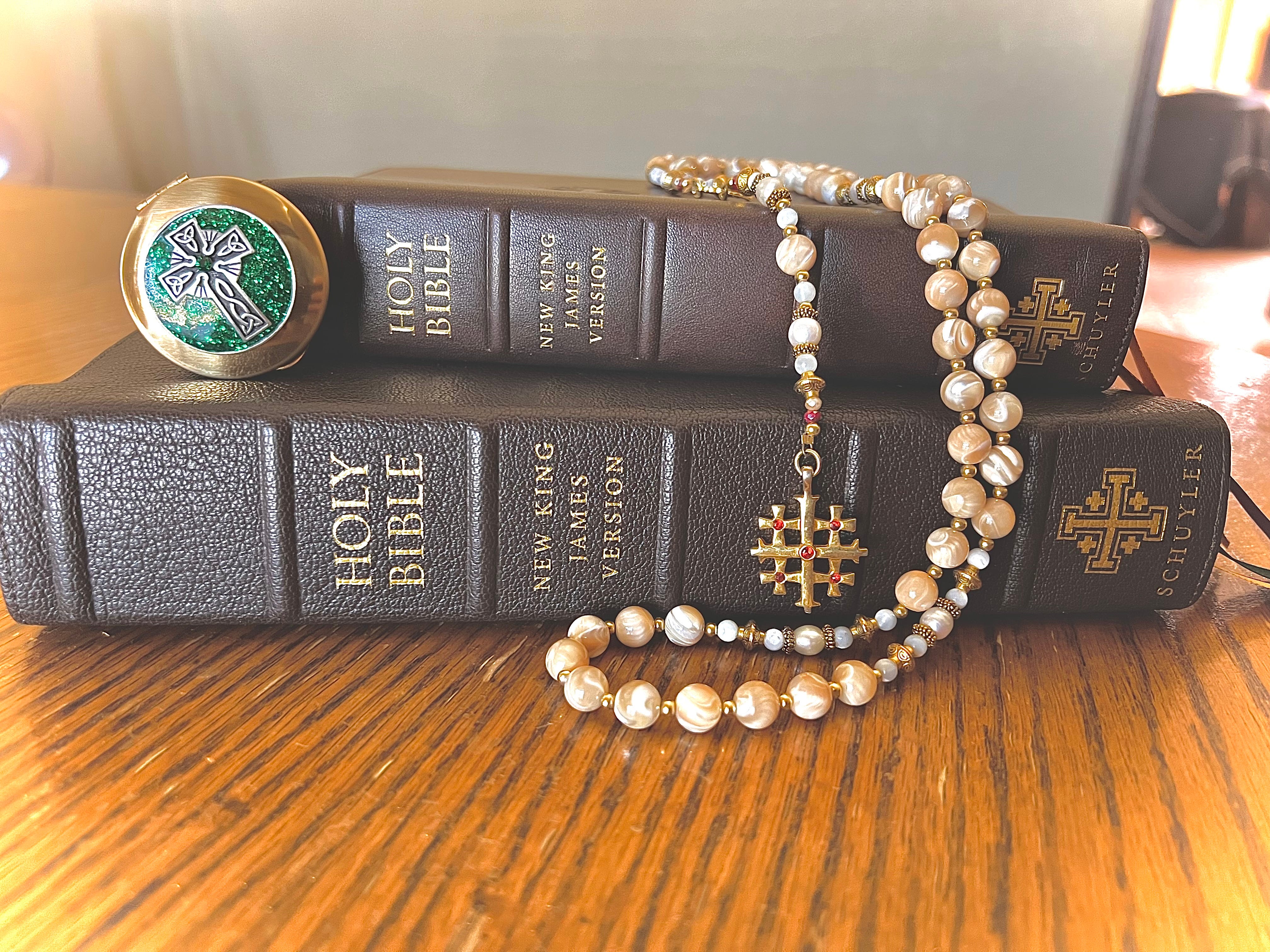
After 30 years of Bible note-taking, I have played with, toyed with, flip-flopped, and even downright avoided various methods of note-taking. Never being fully satisfied in the s
hort-term or the long-term with my notes. The ever disappointed perfectionist working its way out of me time and time again. Yet, nonetheless, while I use a lot of digital platforms and digital texts, nothing surpasses a physical Bible… and I will argue probably until my last days… should not.
With that said, the quandary over what could be called “the art and science” of note-taking is a perennial discussion that comes up frequently in Christian circles. And I am none the more excited than to pass on some things that I have learned over my years. I have learned some of the greatest wisdom from a historian who my wife and I used to live by, who passed away. His family left me around 300 books from his library which have contributed towards the refinement of my own note-taking. These books were gifted to my wife and me around 15 years (or more) ago if memory serves. As I have used his books over the years, I have incorporated many of his note-taking habits and have incorporated some of my own techniques which have stood the test of time in my life:
1.) Use pencil (unless you want to color code, then use ball point pens)
2.) Keep notes very simple and concise (yet understandable to yourself and those who are close to you)
3.) Avoid horizontal in-text underlining or highlighting; rather, use vertical lines in the margin (this will allow for a text that remains readable and untouched, which will improve future learning by anyone who reads it)
4.) Make all of your markings/notes in the margin (arrows, lines, notes, symbols, et al.)
5.) Avoid speculation or opinions (these go in a notebook)
6.) Quotes or references should come from a Saint or a scholar, which have stood the test of time
It is my suggestion that these note-taking ideas will have the highest propensity to provide a long-lasting Bible which will benefit you long from now, and anyone who may inherit your Bible.
+Fr. Peter Mark